
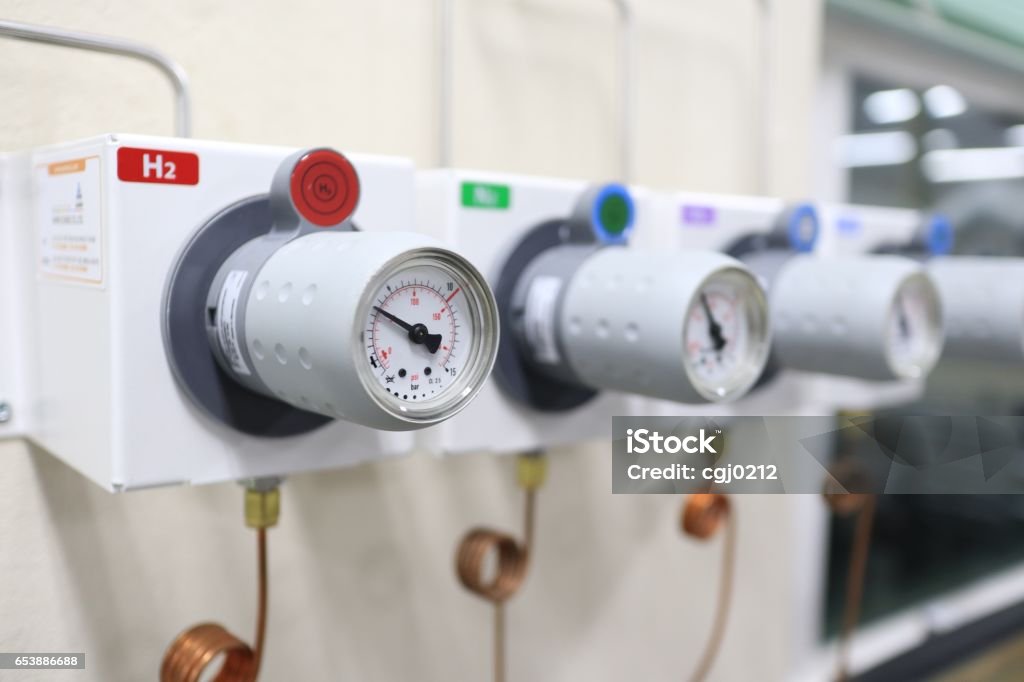

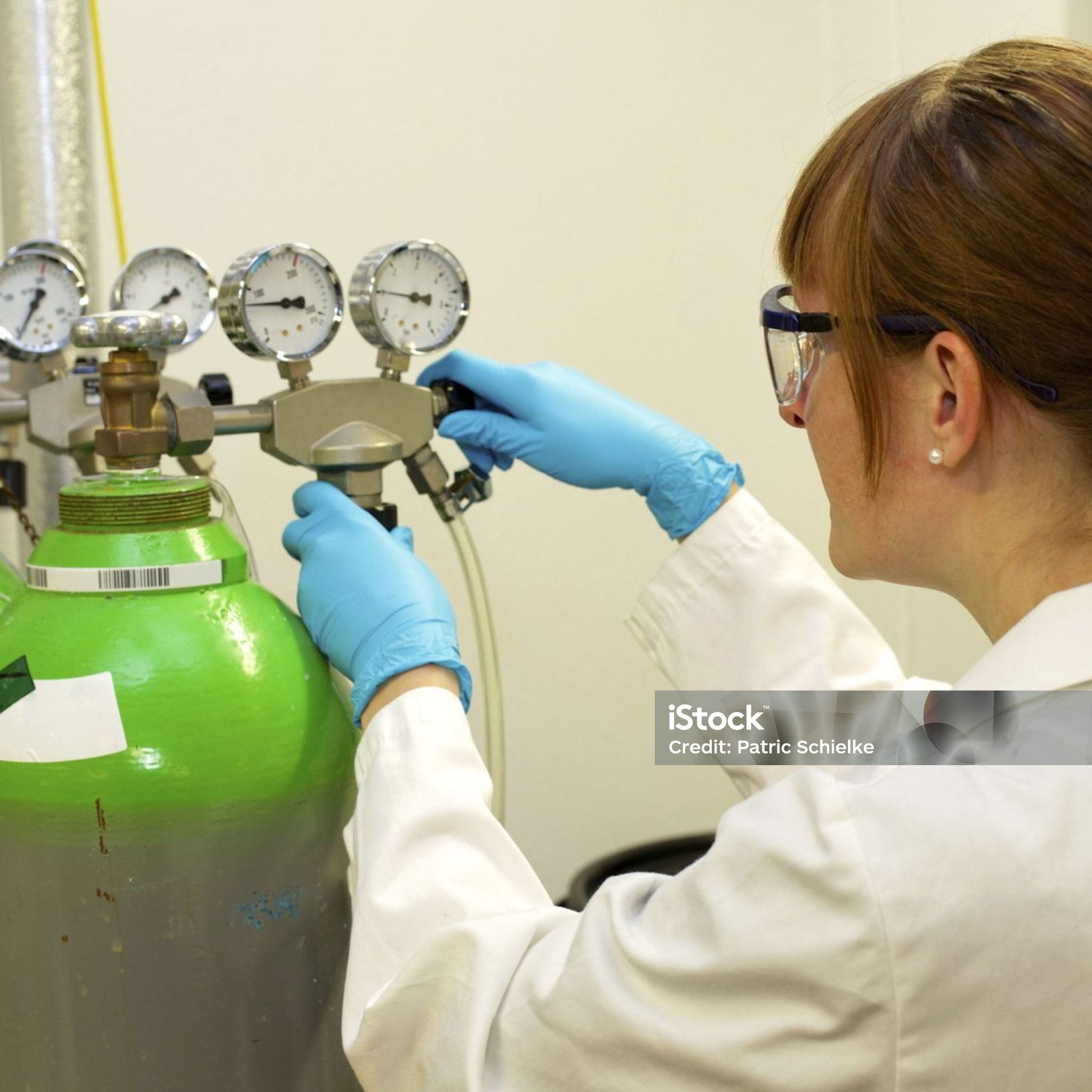
An overview of how laboratory gas systems work and what Speck & Burke cover across design, installation and compliance.
Most labs using compressed gases don't know whether they need a gas detection system. We'll work it out for you - and install one if you do.

Gas detection isn't a legal requirement under PSSR 2000, but it may be the right thing to do under the Health and Safety at Work Act 1974. Whether you need a gas detector depends on your gases, your room size, and what could happen if something leaked.
Using hydrogen, natural gas, carbon monoxide, or other toxic gases in enclosed spaces
Storing flammable gases or large cylinders in small or poorly ventilated rooms
Running gases overnight or unattended
No alarm system currently in place for gas leaks
Recently moved to a new lab or changed the gases you use
Carrying out a risk review or H&S audit
We assess your lab, calculate whether detection is warranted, then design and install a fixed gas detection system using equipment suited to your specific setup. You don't need to know which products you need or where they go - that's what we're there for.
Risk and exposure calculations based on room size and gas type
Sensor selection for each gas in use, including toxic, flammable and hazardous gasses
Fixed detection system design, including gas detection panel specification
Alarm configuration and threshold setting
Commissioning and handover

Call us and we'll run through your setup - no cost, no commitment required.
There's usually a trigger. Someone raises it at a safety audit, an occupational health review flags a concern, or a new lab manager wonders whether anything was ever formally assessed. Often nobody has done the calculation - they've just assumed the ventilation is probably fine. The concern is real. A full cylinder of helium leaking into a small room can drop the oxygen level from 21% to below 16%, causing oxygen deficiency that can kill someone. For flammable, combustible gas and other combustible gases, the risks are different but just as serious. Toxic gases like carbon monoxide or hydrogen sulphide present hazards at concentrations too low to detect without a gas detector. The ability to catch a problem before anyone is harmed supports worker wellness and is what a well-designed system provides. Most labs find out quickly whether they need detection - but they need someone to do the maths first.
No formal risk assessment ever done for gas leaks
Failed a safety audit or been asked to review detection provision
Changed the gases in use since the lab was last assessed
Using flammable, toxic, or inert gases without fixed monitoring
Concerned about overnight or unattended gas use
"Customers often have no idea whether they need gas detection or not. We do the calculations based on their room size, the gas, and the properties - and give them a clear answer."
"We'd been using hydrogen for years without any fixed detection. It came up in an H&S audit and we genuinely didn't know whether we needed a system or not. Speck & Burke did the calculations based on our room size and cylinder volumes and gave us a clear answer. The system was installed and commissioned in one visit."
Marcus Fellowes, Health & Safety Manager
"We use nitrogen, helium and CO in different parts of the lab and had never formally assessed the risk for any of them. I assumed someone had done it at some point. Speck & Burke went through each gas separately, specified the right sensors for each one and explained why. It was the first time anyone had actually done the maths."
Priya Sandhu, Laboratory Manager
Every gas detection system we design starts with your specific situation: the gases you use, the size and ventilation of your rooms, and the working patterns in your lab. There's no off-the-shelf solution because the right answer depends entirely on those variables.
What a gas detection system installation includes

We calculate whether a gas leak could create a dangerous environment - oxygen deficiency, flammable concentration, or toxic gas exposure - based on cylinder size, room volume, and ventilation. This tells us whether detection is genuinely needed before anything is specified or ordered.

Different gases need different sensors. Oxygen depletion monitors are appropriate for inert gases like helium or nitrogen. A hydrogen gas detection system requires catalytic or electrochemical sensors set to flammable thresholds. Toxic gases such as carbon monoxide or hydrogen sulphide need separate sensor types calibrated to occupational exposure limits. We specify correctly for each gas in your lab.

We design a fixed gas detection system, whether as a self-contained system or with a control panel and sensors positioned to detect a leak at the most likely point of accumulation. The gas detection panel user interface provides a central view of alarm conditions across all monitored areas. Sensor placement matters - a poorly positioned detector can miss a build-up entirely.

We install all sensors, control panels, and alarm outputs in your lab. For new laboratory installations or refits, we can integrate detection into the broader gas system installation. For existing labs, we retrofit detection without requiring a full system shutdown.

Where needed, we can configure remote monitoring, through an interface module where supported, so alarm conditions are flagged outside of working hours. Before we leave, we test every sensor and confirm thresholds are correct. You get documentation of what was installed and why - useful for any future site surveys or H&S audits.
A gas detection system isn't a permanent fixture that never needs attention. If you change the gases you use, move to a different room, or increase your cylinder sizes, the calculations behind your original system may no longer hold.
Annual sensor calibration and function checks
Reassessment if gas types or volumes change
System updates when lab layout or ventilation changes
Sensor replacement at end of service life
Documentation updated to reflect any changes
Speck & Burke design and install gas leak detection systems for laboratories - not industrial sites, not hospitals, not warehouses. That distinction matters because the gases, the risk profiles, and the working environments are different. We also understand the instruments the gases feed, which means we can assess the full picture rather than just the detection hardware in isolation.
Engineers who understand which categories of gas present which risks
Calculations done by engineers who understand laboratory gas risk
Detection designed around your specific gas system, not generic sensor packs
Whole-UK coverage for installation and ongoing support
Accredited to ISO 9001, ISO 14001, ISO 45001, and BCGA Corporate Member
Fixed gas detection systems don't fall under PSSR 2000 as a mandatory requirement. However, the Health and Safety at Work Act 1974 requires employers to ensure the workplace is as safe as reasonably practicable. If a gas leak in your lab could injure or kill someone, a gas monitoring system is likely to be considered a reasonable precaution. We'll tell you honestly whether you need one.
We base it on the gases you use and their properties. Inert gases like helium and nitrogen cause oxygen deficiency - the risk isn't flammability, it's displacement of breathable air. Hydrogen is a flammable gas and needs a different type of sensor entirely. Toxic gases such as carbon monoxide need sensors calibrated to low-concentration thresholds. You don't need to know this in advance. We'll assess your setup and specify accordingly.
Yes. Most of our detection installations are retrofits into labs that are already operational. We can work around your existing gas system and fit a gas detector and control panel without a full shutdown.
That depends on how the system is configured. Alarm conditions can trigger audible alerts, visual indicators, fire alarm interfaces and, in some cases, automatic shut-off interlocks. We'll discuss the right response protocol for your lab when we design the system.
It's more involved, but it's exactly what we do. Each gas type and gas mixture needs to be assessed separately, and the detection system needs to cover all of them. A lab with nitrogen, hydrogen, and carbon monoxide, for example, needs sensors appropriate to each. We'll cover all of them in one design.
Yes. Sensors drift over time and need calibrating. Most manufacturers recommend annual calibration at minimum. We can discuss servicing options and set up a maintenance schedule so the system stays reliable without you having to track it.
Talk to one of our engineers or our service team - they'll tell you whether you need a system and what it would involve.

An overview of how laboratory gas systems work and what Speck & Burke cover across design, installation and compliance.
We design and install laboratory gas systems from scratch or as part of a lab refit, including all pipework and connections to instruments.

Annual PSSR inspections to keep your gas system legally compliant - run by qualified engineers against a written scheme.
On-site gas safety training for lab staff delivered by engineers, covering safe handling and emergency procedures for the gases in your lab.

If something in your gas system fails or is flagged during an inspection, we diagnose the fault and carry out the repair - often on the same visit.