
If your instruments need a scheduled service as well as user training, Speck & Burke can manage both under the same relationship.
If your team uses GC, HPLC, LC-MS, GC-MS or mass spectrometry equipment and needs more confidence with day-to-day operation, troubleshooting or result consistency, practical instrument training can help.

End-user training is often handled informally after installation. The instrument gets installed and commissioned, but day-to-day operation and basic fault-finding is often picked up informally, if it is covered at all. This is most common in labs with high staff turnover, recently purchased equipment, or teams that inherited instruments they've never been trained on.
New staff taking over from someone who left
Recently purchased or installed GC, HPLC, GC-MS, LC-MS or mass spectrometry equipment
Results that are inconsistent but the cause isn't obvious
Lab teams running instruments outside their original training
No clear contact when something doesn't behave as expected
Speck & Burke's laboratory instrument training is delivered face to face, on-site, using the analytical instrumentation your team actually works with. Sessions cover both the theory behind how instruments operate and the practical skills needed to run them confidently day to day. GC, HPLC, LC-MS, GC-MS and mass spectrometry training can be tailored to the instruments and methods your team uses.
Day-to-day operation of GC, HPLC and mass spectrometry instruments
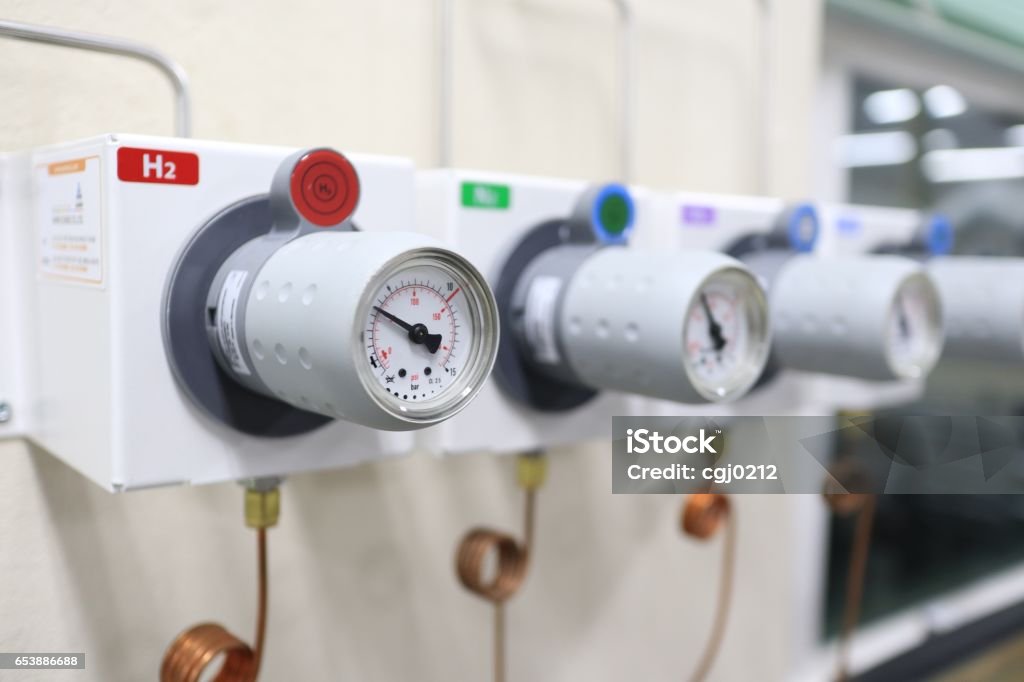
Understanding the role of gas supply in GC, GC-MS and other gas-dependent instruments
Recognising common faults and knowing what checks to carry out first
Practical troubleshooting for everyday issues
Training certificate issued on completion

Call us for a no-obligation conversation - we can advise what type of training would be most useful for your equipment and team.
Many enquiries come from lab managers who've noticed a drop in result consistency, or from organisations that have brought in new staff who've never attended a formal training course on the analytical instrumentation they're using. Sometimes it's prompted by a fault the team couldn't diagnose. The underlying concern is usually the same:people are using high-value equipment every day without enough confidence in setup, operation or basic troubleshooting.
New team members with no instrument-specific training
Recurring faults that in-house staff can't resolve
Result consistency questioned during an audit, review or internal investigation
Lab technicians working with instruments outside their original training
No structured support when something goes wrong
"When you already know a customer's setup and what they're trying to achieve analytically, a breakdown is a much easier problem to solve. The conversation is half done before it starts."
"We have a fairly high turnover of lab technicians and the GC training had always been passed on informally between staff. When we lost two experienced people in quick succession, the gaps became obvious. Speck & Burke came on-site and ran a session for the whole team on the instruments they actually use every day. Having a training certificate for each person is useful for our records too."
Joanna Carruthers, Laboratory Manager
"We'd been getting inconsistent GC results and couldn't work out why. The engineer who came out spotted that part of the issue was how we were managing the carrier gas supply - something none of us had been trained on properly because it sits between the gas system and the instrument. That's not something a generic training course would have covered."
Ben Whitmore, Senior Analytical Chemist
Speck & Burke's UK training workshops are run by instrument specialists who work on gas chromatography systems, liquid chromatography systems and mass spectrometry equipment day to day. They understand instrument setup, common operating issues and, where relevant, the gas supply requirements that affect performance. That means questions get answered properly, not deferred.
What laboratory instrument training includes

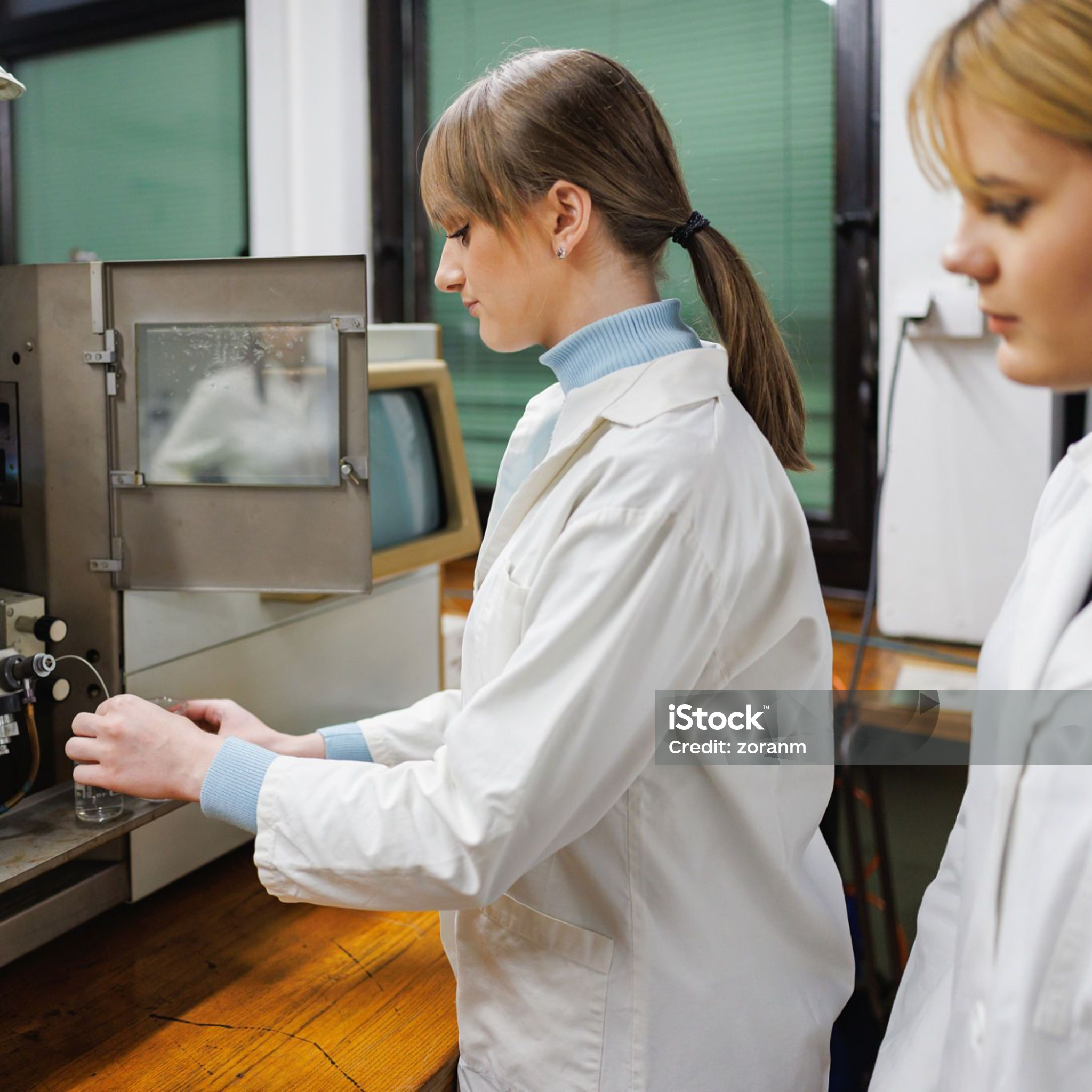
Sessions take place at your site, using the instruments your team operates. The session is based on your own equipment rather than an unfamiliar demonstration kit. What gets covered is directly relevant to how your team works, including system set-up and configuration specific to your analytical workflow.

Before moving into hands-on work, sessions cover the underlying theory - how the instrument separates, detects and reports on samples, and how setup, method conditions and, where relevant, gas supply quality can affect results. Chromatography fundamentals are covered at a level appropriate for end users, not advanced method development, unless agreed separately.

A practical skills section covers the common issues such as inconsistent results, flow problems, column care and instrument behaviour that does not match expectations. Engineers draw on real service experience, rather than generic troubleshooting notes.

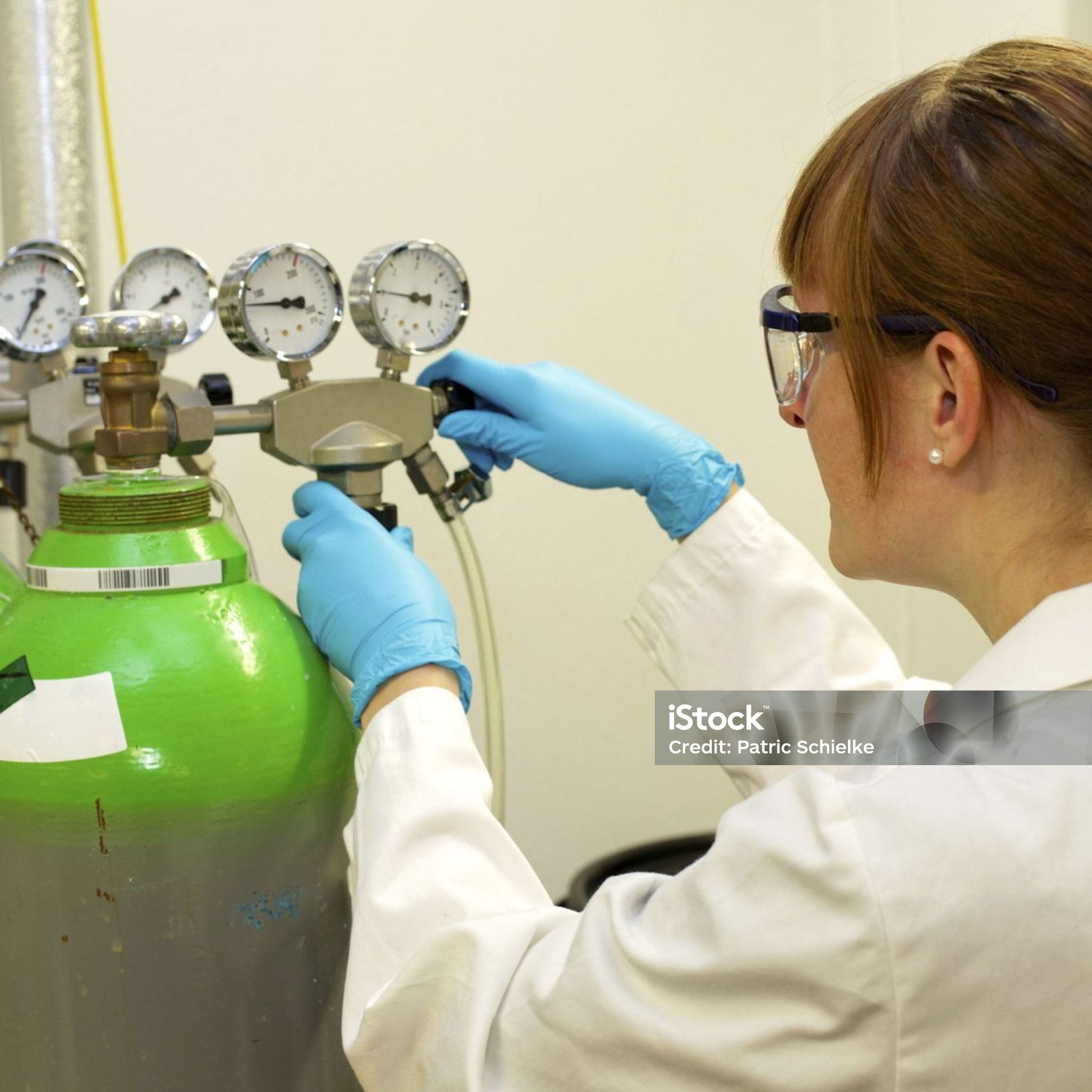
Because Speck & Burke also manage laboratory gas systems, engineers can explain how gas supply quality and pressure affect instrument performance and analytical uptime. This gives users practical context beyond basic instrument operation.

Participants receive a certificate confirming they've completed the training course. This gives lab managers a record of who's been trained and when, useful for internal records.
Labs with high turnover, particularly universities and research facilities, often find that trained staff move on and new people start without ever attending a chromatography workshop or formal training course on the instruments they'll use. Speck & Burke can return for refresher learning workshops or new-starter sessions when needed, with training based on your existing setup and service history.
Refresher sessions for returning or redeployed staff
New-starter training when team composition changes
Follow-up support after a fault or breakdown
Ongoing access to the instrument specialists who know your equipment
Training that updates as your equipment changes
Not every training provider also services the same analytical instrumentation. Speck & Burke do. Their engineers carry out preventive maintenance, fault investigation and repairs on gas chromatography systems, HPLC and mass spectrometry equipment, which means training is grounded in how those instruments actually behave, not just generic operating theory.
Someone who understands both the gas supply and the instrument at the other end
Access to engineering support when something goes wrong
No need to manage separate suppliers for gas systems and instrument support
Training that connects to a longer-term service relationship
Training is delivered by a Speck & Burke engineer with hands-on experience of the equipment. Engineers have hands-on experience servicing the instruments they train on, which means they can answer practical questions as they come up and relate fault-finding to real situations they've encountered on gas chromatography, HPLC and mass spectrometry equipment.
Speck & Burke work with gas chromatography (GC) systems, High Performance Liquid Chromatography (HPLC) and mass spectrometry equipment. Training is specific to the instruments your lab uses. If you're not sure whether your equipment is covered, get in touch and we can confirm before you book.
Yes. For larger teams or organisations with staff spread across multiple labs, sessions can be structured to cover more people in a single visit, with a mix of group instruction and smaller practical breakout groups. This keeps the cost per head down and minimises disruption to lab operations.
All sessions are delivered face to face, on-site at your lab. There's no remote training or self-paced eLearning option - the whole point is that your team works through the practical skills on the instruments they actually use, with an engineer who can observe and respond in the moment.
Yes. Refresher sessions and new-starter training can be scheduled as needed. There's no minimum booking size. If you have one new team member who needs a training course, that's a conversation worth having.
It often does. Many clients who come to Speck & Burke for laboratory instrument training and education services are already using Speck & Burke for instrument servicing or gas system management. The engineers are already familiar with the setup in the lab, which makes the training more specific and the conversations more efficient.
Get in touch for a no-obligation conversation about what your team needs,whether that is a one-off chromatography training session, instrument-specific user training or refresher support for new staff.
If your instruments need a scheduled service as well as user training, Speck & Burke can manage both under the same relationship.
For teams who also need training on safe gas cylinder handling and laboratory gas systems to support safe handling and training records.

Annual PSSR inspections for the laboratory gas systems that feed your analytical instruments, helping keep gas system records clear and up to date.
Short or longer-term instrument rental to cover downtime, relocation or capacity changes while your own equipment is out of service.