

If a written scheme of examination isn't in place, this is the first step before any inspection can proceed under PSSR 2000.
If you have a fixed laboratory gas system, the Pressure Systems Safety Regulations 2000 (PSSR) require you to have it inspected annually. We carry out those statutory inspections and manage the laboratory gas compliance process for you.

Lab managers, health and safety officers and facilities teams often come to us when something has prompted them to check. Sometimes it's an audit. Sometimes a colleague raises a flag. Often, they realise their insurance company has been visiting for a different purpose entirely.
No written scheme of examination in place
Annual PSSR inspections haven't been carried out under the regulations
Compliance records are missing or incomplete
A new health and safety manager has just reviewed what's in place
An audit or insurance visit has raised a question
Gas system components are ageing with no replacement schedule
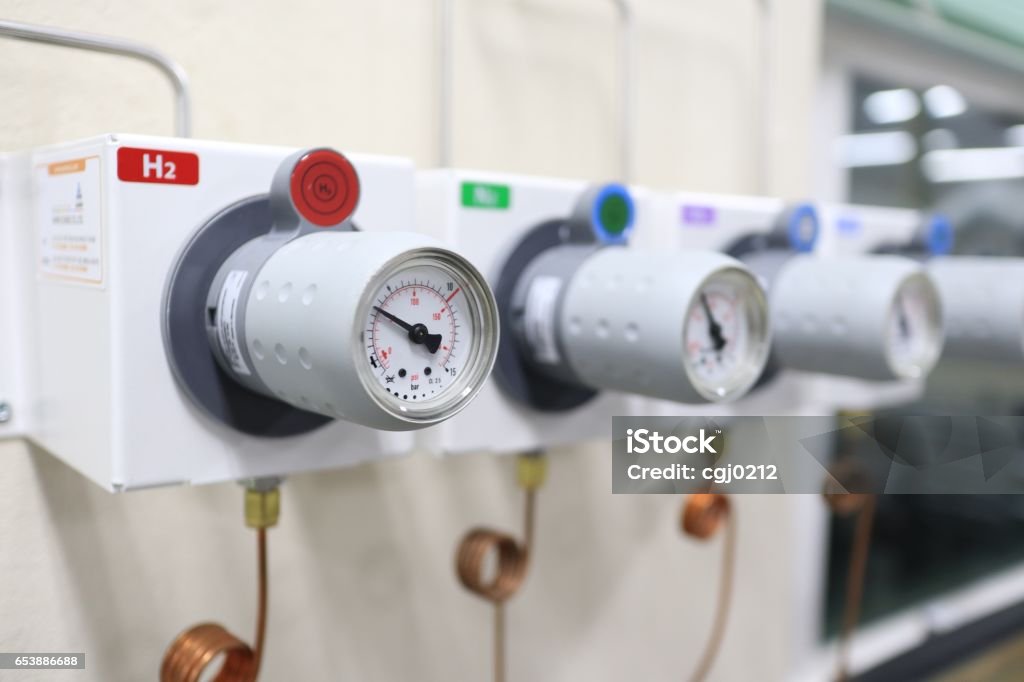
A PSSR inspection isn't a general site visit. It's a structured examination of your gas system carried out against your written scheme of examination (WSE), covering all pressure equipment in scope - regulators (gauges), pipelines, pressure vessels and protective devices such as safety valves. Every component is assessed against the safe operating limits defined in your scheme. You get a pass or fail, with any remedial work identified on the day.
Physical examination of all pressurised components and pressure equipment
Inspection against your written scheme of examination
Assessment of protective devices including safety valves
Identification of parts requiring replacement
Pass or fail determination with written report and certificates
Compliance records updated for audit purposes

Speak to one of our inspection engineers for advice today. A short conversation is usually all it takes to establish where you stand.
Most labs don't arrive with a clear picture of their compliance position. They arrive because something has prompted them to look. It might be an internal audit, a change of staff, or a conversation with their insurer that revealed more gaps than expected. The concern is rarely just the inspection itself - it's what a failed inspection or missing paperwork could mean for the people responsible.
Insurance inspection raised questions that couldn't be answered
New health and safety lead reviewing what's in place
Annual inspection not booked and deadline approaching
Components flagged as out of date or approaching expiry
System recently altered or extended without a compliance review
Preparing for an external audit or HSE visit
"Peace of mind is what it comes down to. Someone's keeping an eye on it, the paperwork's in order, and if the HSE ever came knocking, you could show them exactly what's been done and when."
"When I joined I found an insurance inspection report in the files and assumed we were covered. We weren't - the insurer had been checking that a compliant programme existed, not running it for us. Speck & Burke explained the difference, put a written scheme in place and carried out the first proper PSSR inspection within a few weeks. We've been on an annual schedule with them since."
Fiona Galbraith, Health & Safety Manager
"A regulator failed during the inspection - it was flagged as likely beforehand and they brought the part with them. It was replaced and the system was signed off the same day. I'd used other suppliers before where that would have meant a second visit and another half-day of disruption. The fact that they review the records in advance and come prepared makes a real difference."
Andrew Forsyth, Facilities Manager
We schedule your inspection services by calendar month so nothing slips. Before each visit, we review your system records and identify any components approaching the end of their service life. If something is going to fail on age, we tell you in advance, quote for the replacement parts, and bring them on the day. The system goes into the inspection, we address the failure, and it comes out fully signed off. One visit, one outcome.
What a PSSR inspection and compliance service includes

Before we attend, we review your existing records and component history. If anything is due to fail on age, we quote for parts ahead of time and bring them with us. Good record-keeping is central to how we work - your history follows you from the first inspection, so nothing gets missed.

Every component covered by your written scheme of examination is physically inspected. We work through the pressure equipment methodically, checking condition, function and age across regulators, pipelines, pressure vessels and protective devices. The written scheme reflects your system's design and the relevant fluids in use, whether that's compressed air, nitrogen, hydrogen, acetylene or any other gas in scope.

If components need replacing, we carry out that work during the same visit wherever possible. Where pressure vessels are in scope, we also carry out non-destructive testing of vessel walls to check for corrosion or thinning. Your system comes out of the inspection compliant, not with a list of actions to arrange separately.

After every inspection you receive a written report confirming pass or fail status, any remedial work carried out, and updated compliance records. Certificates are issued and maintained across your visit history, ready for any audit.

All gas system components have a defined service life. Regular maintenance of your inspection schedule means we track what's due and when, flag it ahead of time, and build replacements into your next inspection quote. You're not caught out by a failure you could have seen coming.
One inspection isn't compliance. PSSR regulations require annual statutory inspections, and the component replacement cycle runs independently of that. Once we're managing your system, we track everything: what's been inspected, what's due for replacement, and when the next visit needs to happen. Customers don't leave once they're on board, because they don't want to step away from being compliant.
Annual inspection scheduled in advance each year
Component replacement tracked against service life dates
Compliance records and certificates maintained across your whole history
Early notification of parts approaching expiry
Inspection reports held and available for any future audit
Our inspection engineers are qualified BCAS Competent Examiners, and all work is carried out to BCGA Codes of Practice, PSSR legislation and the associated Approved Code of Practice (ACOP) guidance. We hold ISO 9001, ISO 14001 and ISO 45001 accreditations. That matters when your inspector needs to stand behind their findings. If something went wrong and the HSE got involved, we'd be the ones presenting the inspection records and standing behind them.
Need for engineers qualified to carry out PSSR inspections
Need for documentation that holds up in an audit
Need for one supplier who manages the whole compliance cycle
Need to avoid system downtime from avoidable component failures
Need for a compliance partner who flags problems before they happen
Insurance inspectors visit to confirm that a compliant inspection programme is in place. They're not carrying it out on your behalf. If you can't produce a written scheme of examination and annual inspection records, you're not covered - your insurer is simply checking whether you should be. This is a distinction that catches a lot of labs out.
The written scheme of examination (WSE) is the document that defines what your system is, what pressure equipment is in scope, and what safe operating limits apply. It's a static document that only changes when your system changes - if the design is altered, or a different gas is introduced to the pipeline. The annual inspection is the check carried out against that scheme each year. You need both. One without the other isn't PSSR compliance.
Under the legislation, responsibility sits with dutyholders - the owners and users of the pressure system. In practice that often means the organisation that owns the building or gas system, but in universities, pharmaceutical labs and other industries it can get complicated. Lab managers, building superintendents and department heads can all find themselves in scope. If you're unsure where responsibility sits in your organisation, we can help you work through it.
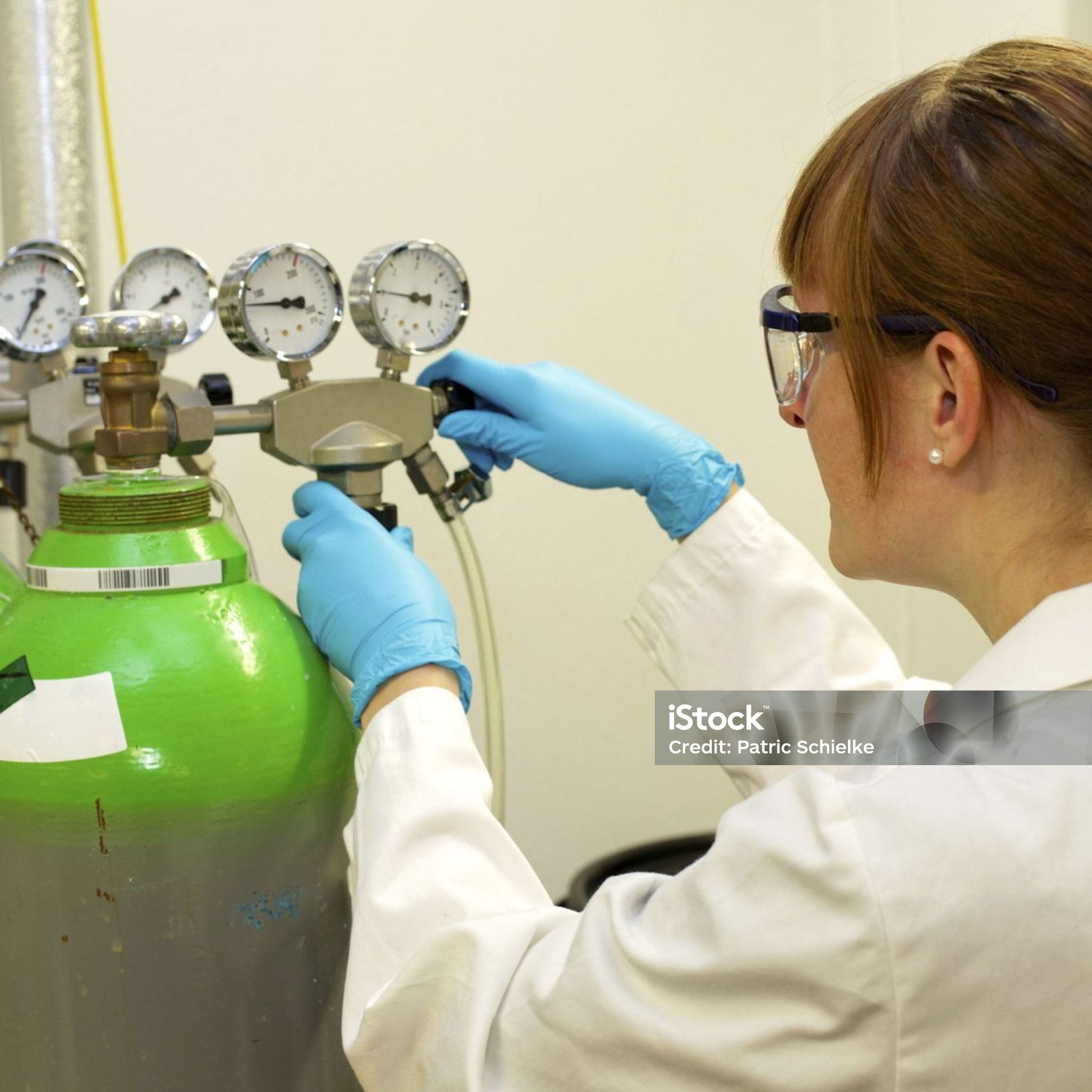
The regulations apply to pressure systems containing relevant fluids - gases under pressure that create a risk from stored energy. For laboratories, this typically means fixed gas systems, cylinder regulators, pipelines and associated protective devices. Pressure vessels, such as those found on compressor and generator systems, also fall within scope. If you're unsure whether your equipment is covered, a free site survey will confirm it.
Yes. Inspections must be carried out by a competent person as defined by the PSSR regulations and associated ACOP guidance. Our engineers are qualified BCAS Competent Examiners, and we carry certification to demonstrate this. It's not enough for a general engineer, a manufacturer's representative, or an internal installer to carry out the check - the examination must be conducted independently and against a valid written scheme.
The first step is establishing what you have. We carry out a free site survey, assess your pressure equipment, and confirm whether you fall under PSSR 2000. If a written scheme doesn't exist, we put one in place before the first inspection. There's no penalty for starting - the point is to get compliant and stay there.
If we know something is likely to fail on age before we arrive, we'll tell you in advance and bring the parts. If something fails that we didn't anticipate, we'll carry out the remedial work during the same visit where we can. The goal is always to leave your system signed off on the day, not to hand you a list and book a follow-up.
No. Medical gases used in clinical environments are governed by a separate regulatory framework and require specialist medical gas contractors. Speck & Burke work with laboratory gas systems across a wide range of industries - research, universities, food and drink production, forensic and analytical laboratories. If you're searching for medical gas services in a clinical setting, we're not the right supplier. If you're in a laboratory environment and unsure which category applies, get in touch and we'll confirm it quickly.
Talk to one of our engineers. We'll confirm your position and, if needed, arrange a free site survey with no obligation.

If a written scheme of examination isn't in place, this is the first step before any inspection can proceed under PSSR 2000.

Where an inspection identifies failed or out-of-date components, we can carry out remedial work and return your system to compliance in the same visit.
Practical training for lab staff on cylinder handling, system operation and gas safety, delivered by the engineers who carry out your inspections.

If your gas system needs upgrading or altering as part of a compliance review, we install and extend systems to the same standard we inspect against.