
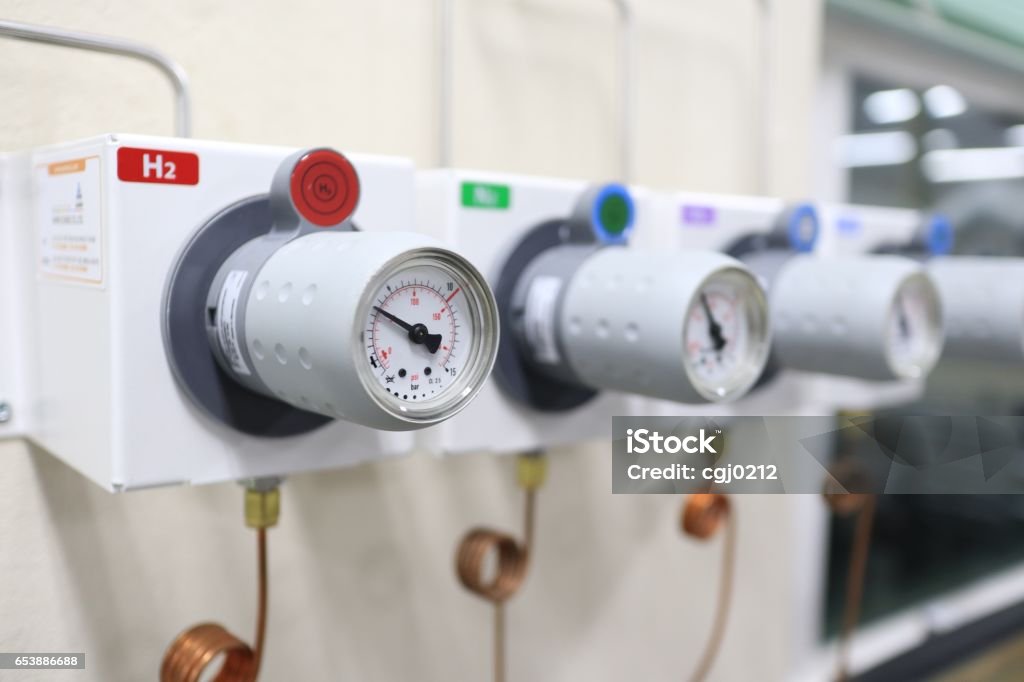

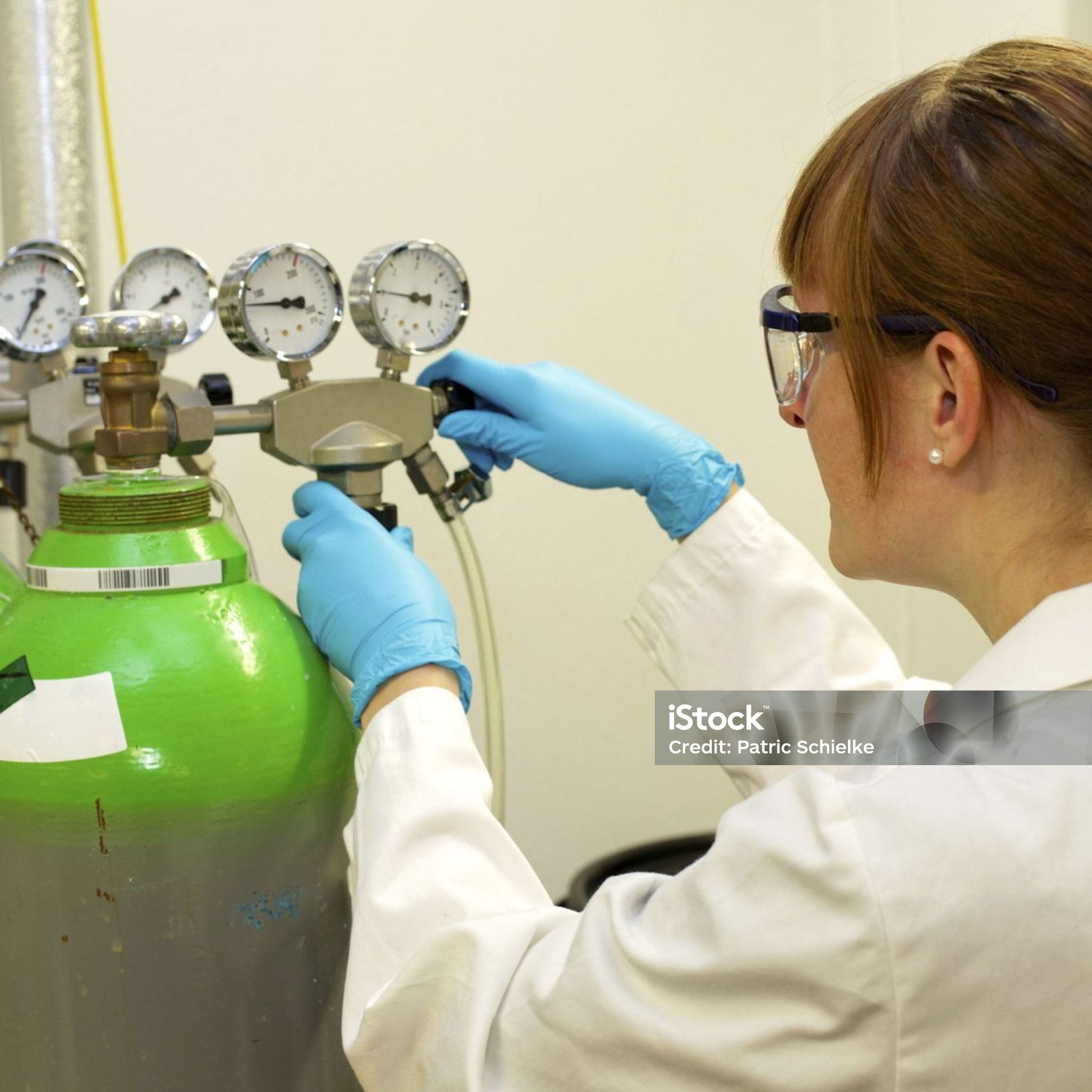
A lab move often means new pipework at the new site. We design and install gas systems from scratch, built around your lab equipment and layout.
Moving a lab means more than shifting furniture. Gas systems need to be safely decommissioned, instruments disconnected and reconnected, and compliance reset from scratch. We manage all of it, so nothing gets missed.

Most lab moves involve multiple contractors, and the gas systems are often the last thing anyone thinks about. We're brought in by lab managers, facilities teams and building managers who need someone to take ownership of the gas side - from the old site to the new one. Sensitive, high value laboratory equipment can't simply be unplugged and moved without proper preparation, and the regulatory compliance obligations don't pause during a relocation.
Moving to a new building or floor
Lab refurbishment requiring system shutdown and reinstatement
Gas system in the new space is unverified or unknown
Laboratory equipment needs de-installation, transportation and re-installation
New layout requires a different gas pipework design
Post-move regulatory compliance documentation needed from scratch
A laboratory relocation service from Speck & Burke covers the full gas and instrumentation scope. We survey both sites, design what the new space needs, and manage the de-installation and re-installation so the lab is compliant and operational when it needs to be - with minimal laboratory downtime. Project management of the gas and instrument scope sits with us throughout.
Site survey of the existing gas system before any work begins
Safe decommissioning and isolation of gas pipework at the old site
Design and installation of new pipework and gas hardware at the new location
De-installation, transportation support and re-installation of laboratory equipment including GCs, HPLCs and mass spectrometers
PSSR (Pressure Systems Safety Regulations 2000) compliance check and updated documentation for the new site
Post-move system testing, inspection and written scheme of examination

Call us for a no-obligation consultation call - we'll tell you what the gas side involves and what you'll need in place before you move in.
Labs that have moved without specialist support for the gas and instrument side often find themselves operational but non-compliant - or compliant on paper with a system that hasn't been properly checked since the move. The pressure is on to get the new space running quickly, and the gas systems end up treated as a detail rather than a priority. Instrument downtime and unexpected compliance gaps are the most common consequences. A fixed gas system in a new location is, in legal terms, a new installation under the legislation. The PSSR 2000 compliance record from the old site doesn't carry across.
Pressure to get back up and running quickly
Regulatory compliance reset needed regardless of what was in place before
High value scientific instruments can develop faults during a lab equipment move
New pipework design needed if the layout changes
Multiple contractors on site with nobody managing the gas scope
Liability exposure if something goes wrong post-move without proper documentation
"The old compliance record doesn't follow the system to a new address. A lab that moves needs its gas systems treated as a fresh install - surveyed, documented and signed off properly before it goes back into use."
"We moved into a new building assuming the existing gas system was fine. It wasn't documented and some components were out of date. Speck & Burke surveyed it, flagged what needed doing and had the new written scheme in place before we went back into use. That's not something we'd have caught ourselves."
Karen Llewellyn, Facilities Manager
"We'd used separate contractors for gas and instruments before and the coordination was a constant problem. Having Speck & Burke handle both meant one point of contact and no gaps between trades. The instruments were re-installed with gas running and checked before the engineers left site."
Tom Ashworth, Laboratory Manager
Most laboratory logistics companies handle physical removals. They don't manage fixed gas systems or sensitive scientific instruments. Because our onsite service engineers work across both gas infrastructure and instrumentation, we handle the technical side of a lab equipment move as a single coordinated job - removing the gap between contractors and reducing the risk of something being missed.
What a laboratory relocation with Speck & Burke includes

Before any work begins we carry out preliminary consultations to understand the scope - existing gas system, instruments in use, the new layout, and timing and coordination requirements alongside other contractors. For larger projects this becomes a formal project plan covering the gas and instrumentation work from de-installation through to commissioning.

We isolate and safely decommission the fixed gas pipework at the old site. Lines are purged to remove residual gas, outlets are capped, and the system is left in a safe condition for handback or repurposing. Where hazardous goods such as flammable or toxic gases are present, decontamination of the pipework is carried out before any work proceeds.

Part of the pre-move planning covers cylinder storage at the new location - where the gas cage sits, how cylinders will be secured, and how storage solutions for the new space differ from the old one. Getting this right at the design stage avoids having to move things twice.

We design the gas system for the new space around your lab equipment and working layout. Pipework, gas cages and bench outlets are installed to a high finish - concealed runs, no exposed tubing, outlets positioned where the instruments actually sit. The system meets all relevant regulatory standards from commissioning.

We de-install scientific instruments before the move and re-install them once gas is available at the new site. Re-installation follows OEM protocols where applicable, and includes system testing with gas running. Where instruments require formal validation after relocation - common in pharmaceutical companies and research organisations operating in the scientific industry - we work to the timeline and requirements of the relevant team.
Once the new system is installed and tested, we produce the PSSR 2000 compliance documentation for the new site - written scheme of examination, inspection record, and component status. The new lab starts with a full regulatory compliance record, not a gap.
A relocation is often the point at which customers bring us fully into their ongoing gas and compliance management. Once we've surveyed, installed and documented the new site, we take on the annual inspections and written scheme management - so the record stays current whether the lab is in the private and public sector, a university research organisation, or a pharmaceutical facility.
Annual PSSR inspections at the new site
Written scheme of examination kept up to date
Component expiry tracking so nothing goes out of date unnoticed
Instrument service plan from the point of re-installation
Single contact point for gas and instrumentation queries going forward
Very few lab relocation specialists in the UK can manage both the fixed gas system and the laboratory equipment as a single scope. We can, because our onsite service engineers work across both disciplines. We hold ISO 9001, ISO 14001 and ISO 45001 accreditations, and all gas work is carried out in compliance with BCGA Codes of Practice. From preliminary consultations before contracts are signed to compliance documentation after the last instrument is commissioned, the technical side of a lab relocation in the UK is managed by people who know what they're looking at. We cover the whole of the UK, and we offer a free initial site survey with no commitment required.
One engagement covering gas and laboratory equipment, not two separate contractors
Onsite service engineers who understand what instruments need from the gas system
Regulatory compliance documentation produced as part of the job, not as an afterthought
Accredited to ISO 9001, ISO 14001 and ISO 45001
Free site survey to scope the work before any commitment
Yes. A fixed gas system in a new location is treated as a new installation under the Pressure Systems Safety Regulations 2000 legislation. The written scheme of examination and inspection record from the old site doesn't transfer. You'll need a new written scheme in place before the system is brought back into use.
Yes. We carry out de-installation, re-installation and system testing for laboratory equipment including GCs, HPLCs and mass spectrometers. Re-installation follows OEM protocols and includes a functional check with gas running, so you know the instrument is working correctly in the new space before it goes back into service.
We'll survey it as part of the pre-move work. Existing systems in a new space often have no compliance record, or components that are out of date. We'll tell you exactly what's there, what condition it's in, and what needs to happen before you can rely on it.
We're used to working as part of a larger project with multiple trades on site. We agree a sequencing plan as part of the preliminary consultations so that the gas and instrument work fits around the wider programme. Direct customer relationships work best, but we're experienced on larger managed projects too.
When components are out of date or being replaced as part of the move, we remove and dispose of them as part of the job. You won't be left with a pile of expired laboratory materials to deal with separately.
That's fine. We can review plans before a site is finished and give you a quote based on what we can see. We'll hold quotes for as long as needed and stay in touch at whatever cadence suits you. Getting us involved early makes the project planning significantly more straightforward.
Call us for a no-obligation discussion - we'll tell you exactly what the gas and instrumentation side of a laboratory relocation in the UK involves and what you'll need in place.

A lab move often means new pipework at the new site. We design and install gas systems from scratch, built around your lab equipment and layout.

Once you're in the new space, PSSR compliance needs to be established. We carry out the inspection and produce all the documentation your new site needs.

A new site needs a new written scheme of examination. We produce PSSR documentation as part of the relocation and manage ongoing compliance from there.

Re-installation after a move is a good time to bring instruments onto a service plan. We offer annual preventive maintenance visits that extend instrument life and catch problems early.

Lorem ipsum dolor sit amet, consectetur adipiscing elit. Suspendisse varius enim in eros elementum tristique.

Lorem ipsum dolor sit amet, consectetur adipiscing elit. Suspendisse varius enim in eros elementum tristique.