
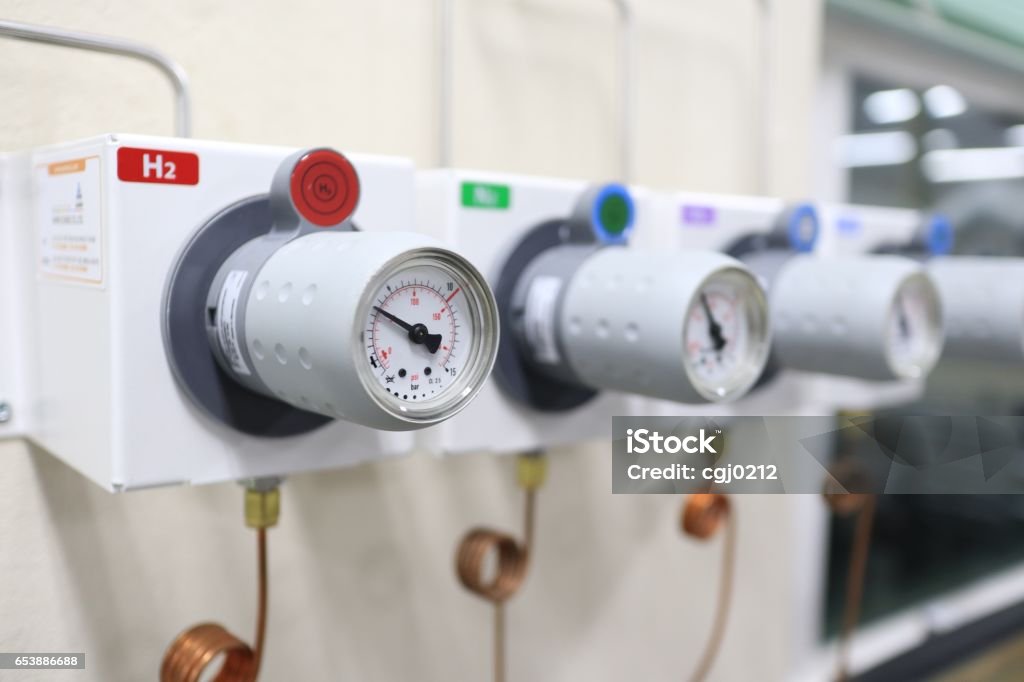
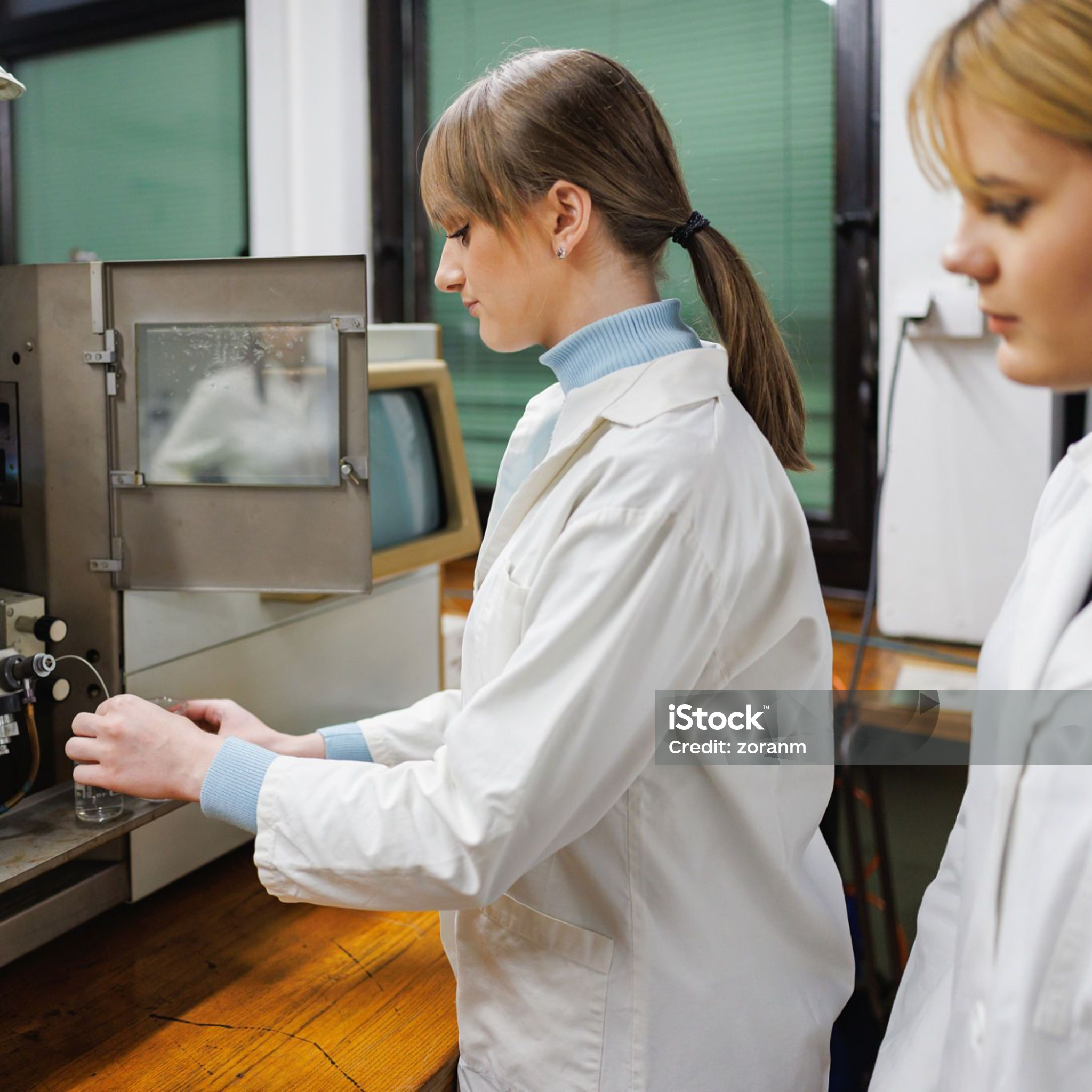
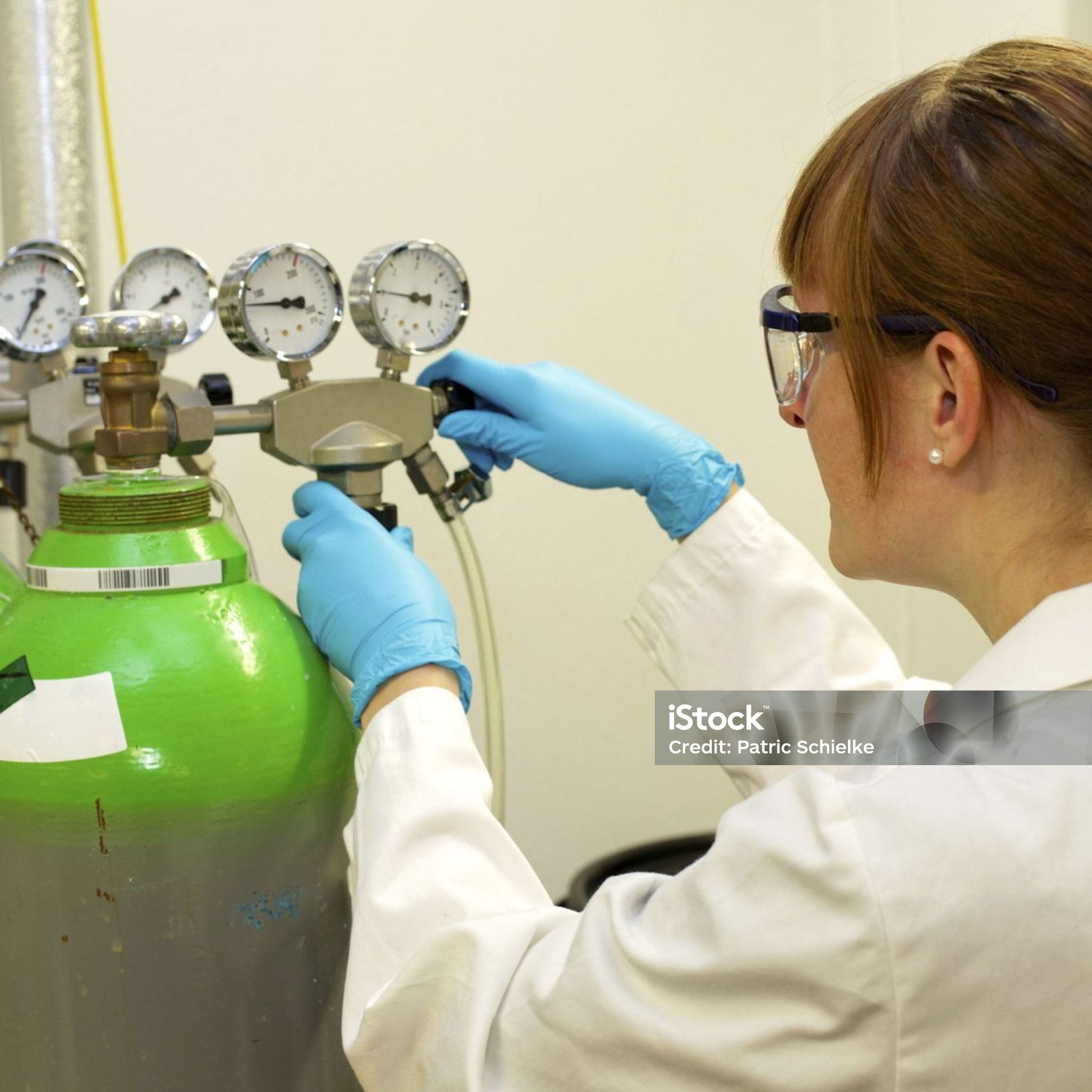
Design, supply and installation of laboratory gas systems - from fixed pipework and cylinder cages to individual regulators. Built to PSSR 2000 requirements from day one.
If people are handling gas cylinders or connected gas equipment without suitable training records, it may be difficult to show they are competent to do the work safely. We deliver on-site gas safety training that is practical, relevant to your lab and designed to support your compliance records.

Any lab where people handle gas cylinders without formal training is likely falling short of PSSR 2000. Whether staff have changed, training has lapsed or records were never created, you need clear evidence that your team has been trained.
New PhD students or technicians in the lab
Staff handling cylinders with no formal course
Supervisors needing to show their team is covered
Teams with no traceable training records
Labs preparing for an audit or safety review
High-turnover facilities needing regular refreshers
Training takes place on-site, using your own equipment in your own lab. That means the practical sessions are immediately relevant, not a generic demonstration on unfamiliar kit. Participants leave with a training certificate confirming they've completed the course and demonstrated the practical skills.
Safe handling of gas cylinders and compressed gas equipment
Regulator (gauge) connection and disconnection
Identifying out-of-date or damaged components
Understanding laboratory gases, their hazards and properties
Emergency procedures and what to do if something goes wrong
PSSR 2000 awareness and legal responsibilities

Call us and speak to an engineer, we'll help you work out what training is required and how to organise it with minimal disruption to the lab.
Some labs don't think about training until something prompts them, such as an audit, a near miss, a new manager reviewing safety records. Others know they should have done something years ago and keep putting it off. What they have in common is that they want their people to feel confident handling compressed gases and laboratory gas systems safely and they need something that holds up if anyone checks. Online tick-box courses don't give people the hands-on confidence to manage gas safely. They also don't reflect the hazards and specifics of your lab. Training is more useful when it is delivered by someone who understands laboratory gas systems and the equipment your team actually uses.
Failed or upcoming audit flagged a training gap
New staff working with laboratory gases for the first time
Supervisors with no formal record for their team
Long-standing staff with no training certificate on file
Wanting to move beyond a generic online course
PSSR 2000 regulations require competent operatives
"Watching a video is one thing. Getting your hands on the equipment in your own lab, with someone who can answer your questions on the spot - that's the difference between ticking a box and actually knowing what you're doing."
"We had people who'd been handling gas cylinders for years but had never been formally assessed. It came up during a safety audit and we couldn't produce anything. Speck & Burke came in, ran a theory session in the morning and practical work in the afternoon and everyone left with a certificate. The fact that it was done on our own equipment in our own lab made a real difference to how engaged people were."
James Rutherford, Laboratory Supervisor
"We'd been sending new PhD students through an online course and assuming that covered us. An inspector disagreed. Speck & Burke now come in once a year to run a session for anyone who's started since the last visit. It's practical, it's specific to our setup and the certificates go straight into our records. Much harder to argue with than a screen-based module."
Dr Natalie Owens, Departmental Safety Officer
Our gas safety training is delivered by experienced laboratory gas engineers, the same people who carry out PSSR inspections and install laboratory gas systems. They're not trainers reading from a script. They understand the equipment, the hazards and the regulations from direct experience, which means they can answer practical questions as they come up.
What gas safety training includes

Before the session, we talk through what your team does, which laboratory gases they're working with and what gaps you want to address. That shapes the content and makes sure the day is relevant rather than generic.

The course covers the principles of laboratory gas safety: how compressed gases and different gas types behave, what the hazards are, what the regulations require and what your team's responsibilities are under PSSR 2000. Pitched at your team's level, not at engineers.

Participants work with your actual cylinders, regulators and connections. They practise the things they'll do day-to-day - handling cylinders, making connections, checking components, swapping compressed gas supplies safely. Real equipment, real lab, real relevance.

Because training is delivered by an engineer rather than a trainer, participants can ask the practical questions that actually matter to them. If they want to know whether a specific component looks right, or what to do if a regulator starts leaking, they'll get a real answer.

Everyone who completes the course receives a training certificate confirming their participation and practical demonstration. That goes into your records and supports your compliance position under PSSR 2000 regulations and the PUWER regulations.
Universities in particular see constant turnover, PhD students and postdocs may spend a year or two in a lab before moving on. Each time someone new starts working with laboratory gases, the training record needs updating. We offer refresher courses and one-off sessions so you can stay on top of it without treating gas safety training as a major project each time.
Refresher sessions for existing staff and supervisors
One-off courses for new starters handling compressed gases
Full-day sessions for large teams across multiple labs
Flexible scheduling to fit around lab hours
Training certificates issued to support your compliance documentation
Follow-up available if the team or gas systems change
Some gas safety training is delivered by companies whose expertise is training, not gas systems. Ours is delivered by engineers who inspect and install the same laboratory gas systems your team uses. They know what actually goes wrong, what cylinder handling mistakes to watch for and what good practice looks like in practice, not just in theory.
Training delivered by experienced laboratory gas engineers, not generic trainers
On-site training, on your equipment - no unfamiliar kit
Practical skills demonstrated and assessed on the day
Training certificates issued to support your audit and compliance records
Direct access to ongoing gas system support after training
HSE guidance says people who operate, maintain, repair, inspect or test pressure equipment should have the necessary skills and knowledge to do the job safely. Experience matters, you should be able to show that suitable training has been provided. A record or certificate helps demonstrate that. If you've never formalised that, a gas safety training session is the straightforward way to fix it.
It depends on what you're trying to achieve. An online course can provide basic safety awareness, but it won't give your team hands-on confidence with the compressed gases and specific equipment in your lab and it may not be enough if you need to demonstrate practical competence on your own equipment. If your team is changing cylinders, making connections and managing live laboratory gases, on-site training is a better fit.
Yes. For larger teams we run a full day with a theoretical session in the morning and practical breakout sessions in the afternoon, moving through smaller groups. It's a practical way to cover a lot of people in one day for a fixed cost, including supervisors who need to demonstrate oversight.
Training is delivered by our qualified gas engineers, who are competent examiners under PSSR 2000. They hold the same qualifications and experience that back up our inspection and compliance work. You can ask to see their certifications before we begin.
There isn't a written exam. The assessment is practical, the participants demonstrate that they can handle compressed gas equipment safely. That's what the training certificate reflects and it's what an inspector or auditor would expect to see.
You don't have to be an existing customer. Some organisations come to us for gas safety training first and that often leads to a broader conversation about inspections, compliance and written schemes. But if training is all you need right now, that's fine.
Call us today to speak to an engineer - we'll help you plan a session that covers what your team needs and fits around your schedule.

Design, supply and installation of laboratory gas systems - from fixed pipework and cylinder cages to individual regulators. Built to PSSR 2000 requirements from day one.

Annual PSSR inspections that cover the whole system. We identify what's due, replace components on the same visit, and manage your compliance records so you don't have to chase anything.

If your lab has a fixed gas system, PSSR 2000 requires a written scheme of examination. We write it, manage it, and keep it current - so you have something that holds up when someone asks.

Gas system failed an inspection or showing a fault? We investigate the cause, carry out repairs and get you back up and running. Flammable or toxic gas leaks are treated as same-day priorities.
On-site gas safety training for labs, delivered by qualified gas engineers using your own equipment. Participants leave with a training certificate that supports your PSSR 2000 compliance records.
Annual preventive maintenance for GC, HPLC, mass spec and other analytical instruments. Our engineers understand both the gas supply and the instrumentation, which means fewer missed problems and shorter call-outs.
Moving a lab means managing gas systems, instrumentation and compliance at the same time. We handle all three, so nothing gets missed during the move.
Short or long-term rental of gas generators and analytical instruments. Useful cover during downtime, relocation or while waiting on new equipment.