
Annual inspections that identify failing or out-of-date components before they become a fault or a non-compliance issue.
Something's wrong with your lab gas system - or an audit has just flagged that lab gas components are out of date. Either way, you need it sorted. Here's how we help.

Some faults are urgent. Others need planned remedial work. Whether you need reactive repairs, responsive repairs following a sudden fault or professional repairs to clear a remedial backlog, we assess the situation and tell you what needs to happen.
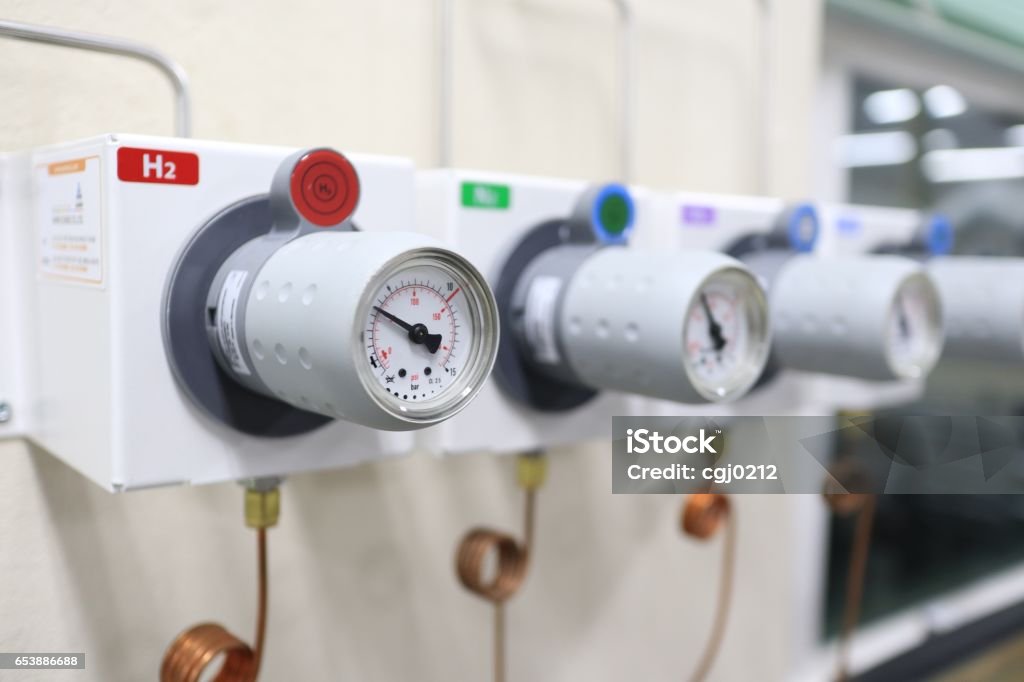
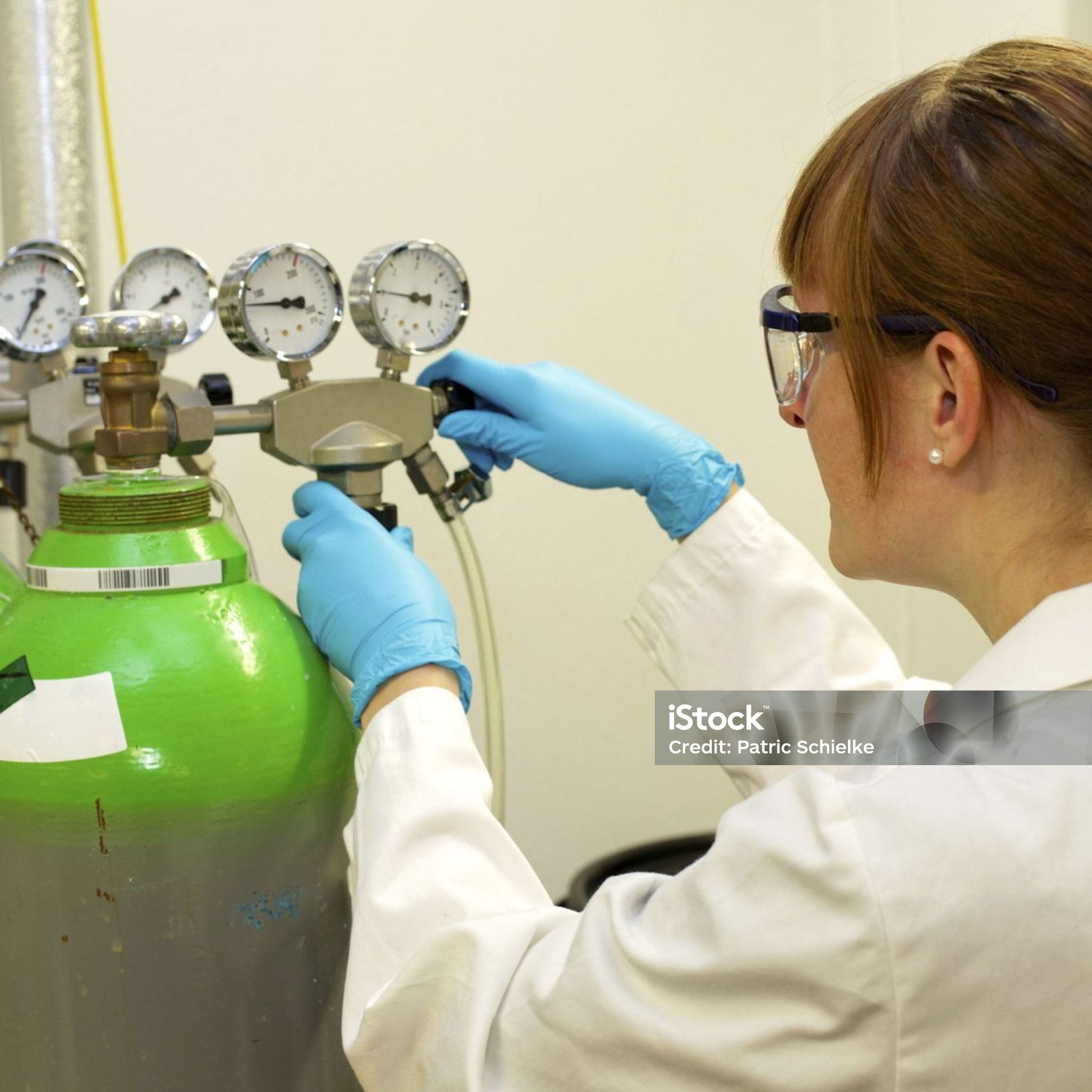
Regulator, gauge or connection has failed or is leaking gas
Hoses, relief valves or other lab gas components are past their service life
Gas consumption has increased and a leak is suspected
An audit or inspection has produced a remedial list
Lab gas system isn't delivering the operating pressure or flow the instruments need
Gas system hasn't been inspected in years and the extent of the problem is unknown
We don't just tell you what's wrong. We find the cause, quote for the work and carry it out - aiming to leave your gas system signed off in one visit where possible.
Fault diagnosis and root cause investigation
Gas leak detection and location (including slow or suspected gas leaks in the laboratory)
Pressure testing and safety testing to confirm system integrity after repair
Replacement of out-of-date or failed lab gas components
Gas regulator expiry checks and like-for-like or upgraded replacements
Flexible hose, relief valve, gas fittings and isolation valve replacement

Call us and speak to a service engineer, we'll help you understand what you're dealing with before committing to anything.
The gas system is often only noticed when it affects the work it supports. What matters is the work it feeds - the analysis, the samples, the incubators, the instruments. When gas system faults stop that work, the knock-on can be costly. A food and drinks company can't release product without completing analysis. A research lab with samples in an incubator can't afford an unreliable supply. That is often why faults need a quick, practical response. People don't just want a quote - they want to know how quickly they can get back to what they're actually there to do.
Gas system fault has halted analytical work
Lab gas components found out of date during an internal check or audit
Regulator failure noticed before or during a gas system inspection
Suspected gas leaks in the laboratory causing unexplained consumption
Post-inspection remedial list needs actioning quickly
Gas system in use for years with no record of maintenance or checks
"Gas system faults range from a component that needs replacing to something that needs attention today. Our engineers can talk you through what you've found, tell you what it means and get someone out to you."
"We'd had an inspection done by another company and were left with a list of remedials and no clear guidance on what to prioritise. Speck & Burke came out, went through the list and sorted the safety-critical items on the same visit. Everything was documented and signed off before they left."
Neil Patterson, Laboratory Manager
"Our GC had been throwing errors and we couldn't work out why. It turned out to be a regulator that had failed internally - it looked fine from the outside. The engineer diagnosed it quickly, had a replacement on the van and we were back running the same day. That kind of downtime is expensive for us."
Claire Henshaw, Senior Analyst
When you report a fault, you won't be put in a queue. You'll speak to a qualified service engineer quickly. They'll assess what you've described, advise whether there's anything you can safely check yourself and confirm whether a site visit is needed. Flammable or toxic gas leaks - hydrogen, for example - are treated as priority callouts over inert gas faults.
What remedials, repairs and fault investigation includes

When you call with a fault, you speak to a service engineer that day. They assess the situation, tell you what's safe to do in the meantime and confirm whether and when a site visit is needed - including for emergency repairs where gas safety regulations, regulatory requirements and safety standards require immediate action.

Not every fault carries the same urgency. A suspected hydrogen or other flammable gas leak gets prioritised differently to a performance issue on an inert system where a backup is available. We make that call clearly and explain why.

For suspected gas leaks in the laboratory where the source isn't obvious, we trace the system and identify where gas is escaping. Slow leaks are often found through component checks and pressure testing rather than visible signs. We also check pipework integrity for rust or corrosion, which can compromise system performance over time.

Where possible, we bring the replacement lab gas components with us. Regulators, gauges, flexible hoses, safety devices such as relief valves - if we know or can reasonably anticipate what's needed, we arrive ready to fit, carry out safety testing and sign off in one visit.

If an audit or inspection has produced a long remedial list, we can help prioritise. Safety-critical items come first. For labs that prefer to stay ahead of faults, we can structure planned maintenance around component age and gas safety certification requirements - so reactive repairs become the exception, not the rule.
For customers who have been with us through annual inspections, gas regulator expiry and component age are tracked from year one. We flag what's coming up before the inspection, quote in advance and bring the parts with us. The inspection ends with a compliant system rather than a remedial list to chase. For new customers coming to us with an existing fault or backlog, the aim is the same - get the issue resolved and put a plan in place so it doesn't happen again.
Gas regulator expiry tracked and flagged in advance
Replacement lab gas components brought on the day where confirmed in advance
Post-repair pressure testing, leak testing and repair records issued where require
Route into planned maintenance and annual compliance management if not already in place
Backup system options discussed for labs with zero tolerance for downtime
Clear service and repair records built from the first visit, ready for any future audit
Some contractors focus mainly on pipework, because we also service the instruments at the end of those lines, we understand what operating pressure and flow those instruments actually need and what a fault upstream is likely to be doing to system performance. It means our service engineers can diagnose and repair with the full picture, not just the component in front of us. We cover the whole of the UK - laboratories, research facilities and industrial premises - and always make personal contact on the day you call.
Need the fault diagnosed, not just described
Want to know the impact on the instruments being fed by the system
Need parts fitted on the same visit, not a second appointment
Want a clear remedial plan when the list is long and budget is limited
Yes. When you report a fault, you speak to a service engineer quickly. We assess urgency and respond accordingly. Gas leaks involving flammable or toxic gases are treated as the highest priority. Where a fault poses an immediate risk, we'll tell you clearly and act as quickly as possible.
We don't work to fixed SLAs because not every fault carries the same urgency. When you call, we assess what you've described and give you a realistic timescale based on the risk. A leaking hydrogen system is treated very differently to a performance issue on an inert gas line where a backup exists. You'll always speak to a service engineer on the day.
Yes. Some of our customers came to us first because of a fault or a remedial backlog, with no prior inspection history. We assess what you've got, carry out the repairs and can set you up with planned maintenance and annual gas safety certification from that point if you want to avoid the same situation recurring.
Yes. Bring us the list and we'll work through it with you. If the list is long, we can help prioritise safety-critical items in line with gas safety regulations and phase the rest in a way that demonstrates genuine progress toward full compliance.
We understand that. Where a full fix isn't immediately possible, we help identify what's genuinely safety-critical - relief valves and other safety devices typically sit at the top of that list - and work through the rest in a planned sequence. Doing nothing isn't a viable option, but a realistic plan usually is.
Age is the most common factor by some margin. Gas regulator expiry, hose degradation, relief valve wear and rust or corrosion on pipework are the issues we find most often. Many labs haven't realised how long components have been in service. A regulator can look fine externally while the diaphragm inside has already failed. Regular inspection is the only reliable way to catch this before it becomes a fault.
Both. We'll replace with an equivalent component unless there's a good reason to suggest otherwise - for example, if the instrument being fed has requirements that a better-spec regulator would serve more reliably. We'll always explain the reasoning before quoting.
Call us today and speak to an engineer - no obligation, just an honest conversation about what you're dealing with.

Annual inspections that identify failing or out-of-date components before they become a fault or a non-compliance issue.

The legal documentation that underpins your inspection programme - required if your gas system falls under PSSR 2000.
Fixed gas leak detection for laboratories - alerts you to a problem before it becomes a safety incident.

Design, supply, gas pipework installations and installation of laboratory gas systems - relevant if fault investigation reveals a system that needs more than repair, including pipework upgrades where required.